
0%

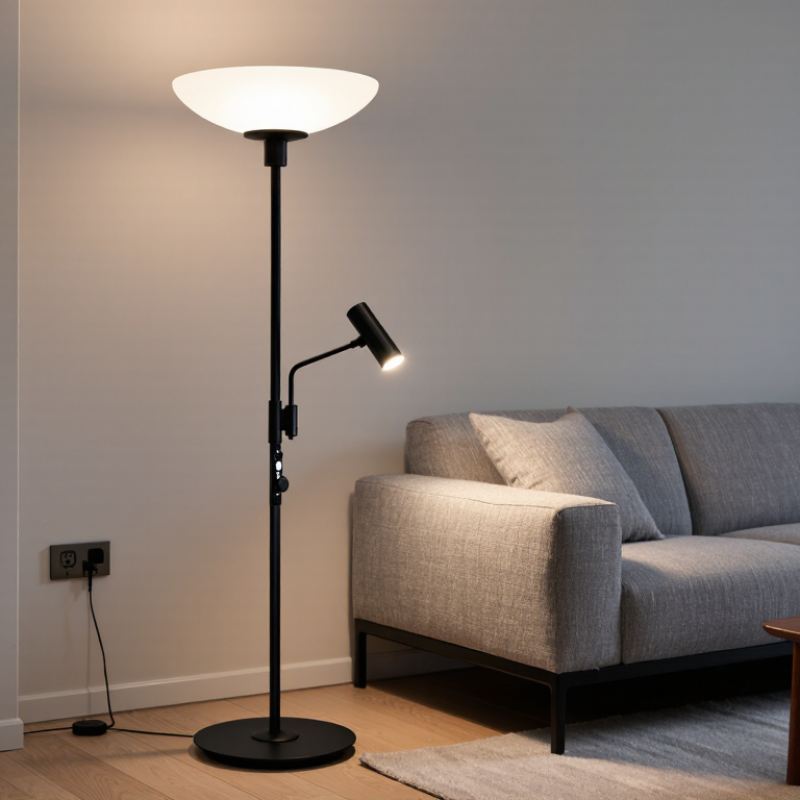
A torchiere floor lamp is more than a tall light placed beside a sofa. Its bowl-shaped shade directs light upward, where the ceiling reflects a softer glow across the room. This indirect method reduces harsh shadows on floors, walls, and reading surfaces. Some models also include a second adjustable reading light. That small detail can change how the lamp serves a living room, bedroom, or home office.

Understanding how Torchiere Floor Lamps work requires attention to light sources, controls, and safety. Traditional models use halogen or incandescent bulbs, while newer designs commonly use integrated LEDs. The U.S. Department of Energy reports that LED bulbs use at least 75% less energy and last up to 25 times longer than incandescent lighting. That matters when a lamp operates for several hours each evening. However, efficiency alone does not guarantee comfort. Color temperature, dimming quality, shade depth, and glare control still influence the experience.

The National Electrical Manufacturers Association and ENERGY STAR guidance also emphasize using compatible controls and certified lighting products. A stable base matters. So does adequate ventilation around older high-heat bulbs. A narrow stand beside a busy walkway may look elegant but create a practical weakness. Not every torchiere performs equally well. This guide examines the lamp’s structure, light path, bulb technology, controls, and placement choices. It also considers an easily missed issue: reflected light can feel gentle, yet a poorly positioned shade may still produce glare on a television screen. The best choice depends on the room, the user, and the desired atmosphere—not appearance alone.
What Is a Torchiere Floor Lamp and How Does It Work?

What a Torchiere Floor Lamp Is

What Is a Torchiere Floor Lamp and How Does It Work?

A torchiere floor lamp is a tall fixture designed to send light upward. Its bowl-shaped shade faces the ceiling, not the floor. The ceiling then reflects the light across the room. This creates a softer glow than a typical downward-facing lamp. It works well beside sofas, reading chairs, and dark corners. Many modern models use LED bulbs, dimmers, or touch controls.

The U.S. Department of Energy reports that LED lighting uses at least 75% less energy than incandescent lighting. LEDs can also last up to 25 times longer. These figures make an efficient torchiere practical for regular evening use. However, brightness depends heavily on ceiling height, paint color, and shade design. A white ceiling spreads light effectively. A dark ceiling may absorb much of it. The result is not always perfect. Sometimes the lamp looks bright but leaves a desk too dim.

Tips: Check the lumen rating before buying. Choose adjustable brightness for mixed activities. Keep the shade clear of curtains and paper. Place the base where people will not trip over it. For reading, add a focused task lamp nearby. A torchiere provides ambient light, but it may not replace direct illumination.

Key Components and Their Functions

A torchiere floor lamp directs light upward, usually toward the ceiling, for broad and softened illumination. Its main parts work together rather than independently. The bowl-shaped shade or reflector controls the light beam. A pale interior can spread light across the room. A darker or rougher surface absorbs more light. That difference is easy to overlook.

The lamp holder, or socket, secures the bulb and delivers electrical power. It must match the bulb’s base, wattage, and heat requirements. An LED bulb usually reduces heat and energy use, but its shape still matters. A deeply recessed bulb may waste light. The stem sets the lamp’s height and supports the shade. Many stems contain wiring, so damaged insulation deserves attention. The switch may sit on the stem, cord, or base. A dimmer adds control, though some bulbs respond unevenly. Low settings work well beside a sofa. Full brightness suits a high ceiling.

The weighted base helps prevent tipping when someone brushes past the lamp. A broad base feels safer on carpet, but uneven flooring can still cause movement. The power cord carries current from the outlet and should remain dry and free from pinch points. I once placed a cord beneath furniture, thinking it was secure. Pressure slowly damaged its covering. That was a poor assumption. Check the plug, socket, and shade regularly. Small assembly choices can change both light quality and daily safety.

How a Torchiere Floor Lamp Produces and Directs Light

What Is a Torchiere Floor Lamp and How Does It Work?

How a Torchiere Floor Lamp Produces and Directs Light

A torchiere floor lamp sends most of its light upward through a bowl-shaped shade. The ceiling then reflects that light across the room. This indirect method softens shadows and reduces glare on screens, tables, and polished floors. In practical use, the ceiling finish matters greatly. A white ceiling reflects more light than a dark, textured surface.

Inside the fixture, an LED module or bulb converts electrical energy into visible light. The U.S. Department of Energy reports that LED lighting can use at least 75% less energy than incandescent lighting and last up to 25 times longer. However, a lamp’s real performance depends on more than the light source. Shade depth, diffuser material, beam angle, and ceiling height all affect brightness. A poorly matched shade can trap heat or create uneven illumination.

The upward beam spreads widely.

Many torchiere designs use frosted diffusers to scatter light gently. Some include a small reading light that points downward, creating two lighting zones. That arrangement can improve task visibility without flooding the entire room. Still, “more lumens” does not always mean better comfort. The International Energy Agency has reported that lighting represents roughly 15% of global electricity consumption. Efficient LEDs help, but careless placement can waste light against high ceilings. I have found that users often underestimate this loss. Measuring the actual floor-level illumination would be wiser than judging brightness by appearance alone.

What Is a Torchiere Floor Lamp and How Does It Work? - How a Torchiere Floor Lamp Produces and Directs Light

Data Dimension Typical Information How It Affects Light
Primary Lighting Direction Upward, toward the ceiling The ceiling reflects and spreads light, creating soft, indirect room illumination.
Main Optical Component Bowl-shaped or saucer-shaped shade The shade limits direct glare and guides most of the lamp’s output upward.
Common Light Sources LED, compact fluorescent, or incandescent bulbs The light source determines energy use, heat production, service life, and available brightness.
Typical Power Range Approximately 8–150 watts, depending on the lamp and bulb type Lower-wattage LED models can provide useful room lighting while consuming less electricity.
Typical Brightness About 800–3,000 lumens for many residential models Higher lumen output generally provides broader or brighter ambient illumination, depending on ceiling reflectance.
Color Temperature Commonly 2,700–3,000 K for warm white; 3,500–4,000 K for neutral white Lower color temperatures feel warmer and more relaxing; higher temperatures appear crisper and cooler.
Beam Distribution Wide, diffuse, and primarily indirect Light is distributed over a large area rather than concentrated on a desk or reading surface.
Ceiling Dependence Works best with a light-colored, relatively low or medium-height ceiling A pale matte ceiling reflects more light efficiently than a dark, glossy, or highly textured ceiling.
Direct-Glare Control Shade conceals the bulb from many viewing angles Reducing direct line-of-sight to the light source can make the room more visually comfortable.
Secondary Reading Light Optional downward or side-facing lamp on some designs A separate adjustable light can provide task lighting without changing the upward ambient light.
Controls Inline switch, rotary dimmer, touch control, or wall-compatible control Dimming allows the light level to be adjusted for general illumination, relaxation, or evening use.
Typical Height Approximately 60–72 inches (152–183 cm) The elevated shade helps distribute light above furniture and across a wider part of the room.
Energy Efficiency LED versions generally use less energy than incandescent versions for similar light output More of the electrical energy is converted into visible light, with less energy released as heat.
Best Use Ambient lighting for living rooms, bedrooms, offices, and open spaces Its broad reflected light is suitable for overall visibility but may need task lighting for detailed activities.
Basic Operating Principle Electrical current powers the light source, and the shade directs the emitted light upward The ceiling acts as a secondary reflecting surface, transforming concentrated upward light into softer room illumination.

Note: Specifications vary by design, bulb type, room size, ceiling height, and surface reflectance. Lumen values describe light output, while watts describe electrical power consumption.

Common Types and Design Variations

A torchiere floor lamp directs light upward, usually through a bowl-shaped shade. The ceiling then reflects a broad, softened glow across the room. Its design differs from a task lamp, which concentrates light on a desk or reading chair. Some torchieres include a second adjustable arm for focused lighting. This hybrid format works well beside a sofa, although the extra arm can look visually busy.

Common types include uplight torchieres, arc torchieres, and modern LED column designs. Uplight models create gentle ambient lighting for living rooms and bedrooms. Arc versions extend over seating areas, reducing the need for a central ceiling fixture. Column styles often use frosted acrylic, metal, or fabric panels. These materials change the mood noticeably. Frosted surfaces reduce glare, while clear glass can produce sharper highlights.

Dimming is more than a convenience. It helps users adjust brightness for reading, conversation, or evening relaxation. The U.S. Department of Energy reports that LED lighting uses at least 75% less energy than incandescent lighting and lasts up to 25 times longer. The International Energy Agency also estimates that lighting consumes about 15% of global electricity. A well-designed LED torchiere can therefore reduce operating demand, but only when its controls and heat management are reliable. Some slim fixtures look efficient yet provide uneven light. That is an easy detail to miss. Check light distribution, stability, and color temperature before choosing a design.

Safety, Placement, and Everyday Uses

What Is a Torchiere Floor Lamp and How Does It Work?

Safety, Placement, and Everyday Uses

A torchiere floor lamp sends light upward through a bowl-shaped shade. The ceiling reflects that light across the room. It works quietly. This indirect glow can reduce harsh shadows and make a living area feel more comfortable. Many models use LED bulbs, which produce less heat and use less electricity than older bulb types. Always follow the lamp’s stated wattage and bulb requirements.

Safety begins with stability. Place the lamp on a level floor, away from busy walkways, curtains, bedding, and children’s play areas. Keep the cord flat and protected from chair legs or pets. Before use, check for cracked sockets, loose connections, or damaged insulation. A heavy base helps, but it does not make the lamp impossible to tip. Keep it stable.

A corner beside a sofa or cabinet often suits a torchiere well. It can provide soft background light for conversation, television viewing, or evening cleaning. However, it may not illuminate a book or craft surface clearly. Add a focused reading light when detailed work matters. In practical use, brightness controls are helpful, though I sometimes find the lowest setting too dim. Room color also changes the result; pale ceilings reflect more light than dark ones. Placement requires a little trial and error.

FAQS

What is a torchiere floor lamp designed to do?

It sends light upward toward the ceiling. The reflected glow spreads softly across a room.

How does the shade affect light quality?

A pale, smooth interior spreads light widely. Dark or rough surfaces absorb more light. That detail is easy to miss.

What bulb should fit a torchiere lamp?

Match the bulb base, wattage, and heat requirements with the socket. An LED bulb usually produces less heat and uses less energy.

Can a torchiere provide focused lighting?

Some models include a second adjustable arm. It can aim light toward a sofa or reading chair, but the design may look busy.

Where does an uplight torchiere work best?

It suits living rooms and bedrooms needing gentle ambient light. Full brightness can work beneath a high ceiling.

Why is dimming useful?

Lower settings suit conversation or evening relaxation. Brighter settings help with reading. Some bulbs dim unevenly, however.

How can I improve the lamp’s stability?

Choose a broad, weighted base for carpeted floors. Check uneven flooring carefully. A stable base still needs sensible placement.

What safety details deserve regular inspection?

Check the plug, socket, shade, and cord. Keep cords dry and away from pinch points. I once placed one beneath furniture. That was a poor assumption.

Conclusion

A torchiere floor lamp is a tall, upright light fixture designed to direct illumination upward, where it reflects off the ceiling and spreads softly throughout a room. Torchiere Floor Lamps typically include a weighted base for stability, a vertical stand, a shade or bowl-shaped reflector, a socket or integrated light source, and a switch or dimmer for control. Together, these components create broad, indirect lighting that can make a space feel brighter without producing harsh glare.

Different designs may use glass, metal, or fabric shades and may provide ambient, reading, or adjustable task lighting. Some models include flexible heads, multiple light sources, or separate controls for greater versatility. For safe use, the lamp should stand on a level surface away from walkways, curtains, heat sources, and damp areas. With proper placement, it can support everyday activities such as relaxing, reading, entertaining, or adding visual warmth to a living room, bedroom, office, or hallway.

Evelyn

Evelyn

Evelyn is a professional marketing specialist dedicated to helping businesses understand the value, applications, and practical benefits of the company’s products. With a strong knowledge of product features, industry trends, customer needs, and market communication, Evelyn creates clear,......