
Direct Factory Supply for Commercial Properties, High-Rise Hospitality, & Spec-Grade Projects in Melbourne
Bridging International CE Certification Standards with Victorian Building Codes and AS/NZS Frameworks
In the rapidly expanding architectural landscape of Greater Melbourne—spanning high-density residential towers in Southbank to sprawling logistics precincts in Truganina—the implementation of compliant, resilient emergency and exit lighting systems is paramount. Emergency lighting serves as the ultimate line of defense for life safety within commercial, industrial, and multi-residential infrastructure. For electrical contractors, project engineers, architectural specifiers, and FF&E procurement managers operating in Victoria, securing certified fixtures from trusted international manufacturers provides both technical reliability and significant cost efficiency.
As a premier OEM/ODM manufacturer specializing in high-performance emergency lighting systems, decorative architectural emergency luminaires, and integrated battery conversion kits, our enterprise supplies CE-certified fixtures specifically customized for export to the Melbourne market. Operating at the intersection of stringent quality management and advanced photometrics, our manufacturing lines ensure every emergency luminaire delivers optimal illumination, thermal tolerance, and immediate automatic activation during mains power failure events.
While CE Certification (EN 60598-2-22) underpins global European technical standards—verifying electromagnetic compatibility (EMC), low voltage safety (LVD), and electrical insulation integrity—our manufacturing protocols align directly with the operational demands required by Australian code frameworks, including the National Construction Code (NCC) and standards like AS/NZS 2293. By integrating premium Lithium Iron Phosphate (LiFePO4) battery chemistry, smart DALI-2 autotest drivers, and precision-engineered optics, our emergency luminaires deliver superior spacing tables, lower lifecycle operational costs, and dependable compliance for Melbourne developments.
Comparative Analysis of CE (EN 60598-2-22) vs Australian (AS/NZS 2293) Specifications
| Engineering Specification | CE Certification Standard (EN 60598-2-22) | Melbourne / AS/NZS 2293 Target Alignment | CAL Factory Manufacturing Solution |
|---|---|---|---|
| Emergency Autonomy Duration | 1 Hour to 3 Hours standard rating | Minimum 90 Minutes continuous discharge | Factory configured 120-180 Min continuous discharge with LiFePO4 cells. |
| Battery Technology | NiCd, NiMH, or LiFePO4 chemistry | Transitioning to high-efficiency Lithium Phosphate | Grade-A LiFePO4 batteries featuring thermal runaway protection & 8-year life span. |
| Testing & Diagnostics | Manual test button or DALI Auto-Test | Manual 6-month physically logged test or Smart Mesh | Integrated Smart Self-Test & DALI-2 compliant emergency drivers. |
| Enclosure Protection Class | IP20 (Indoor) up to IP66/IP67 (Industrial) | IP65+ recommended for damp/coastal zones | High-impact polycarbonate & marine-grade die-cast aluminum housing options. |
| Photometric Classification | EN 1838 Lux requirements on escape routes | AS/NZS 2293 Photometric Classifications (C/D/E) | High-efficiency optics achieving expanded mounting center spacing (up to D63). |
Why Leading Melbourne Specifiers & Developers Partner with Our Manufacturing Facilities
We have completely phased out legacy NiCd batteries in favor of Lithium Iron Phosphate (LiFePO4) storage units. Providing up to 10 years of operational standby life, lower parasitic power draw, rapid recharge cycles (under 16 hours), and exceptional performance in ambient temperatures ranging from 0°C to +45°C.
Modern commercial buildings across Docklands and the Melbourne CBD demand automated testing to eliminate manual inspection overheads. Our emergency control gear supports DALI-2 protocol integration and wireless Bluetooth Mesh automated status reporting, ensuring seamless facility management compliance.
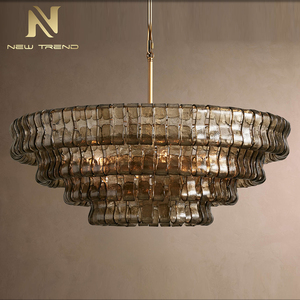
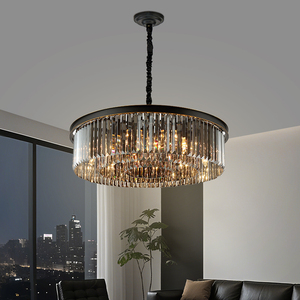
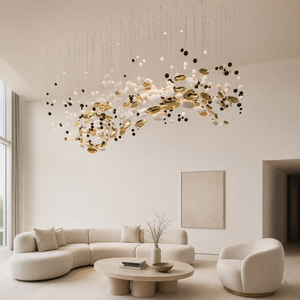
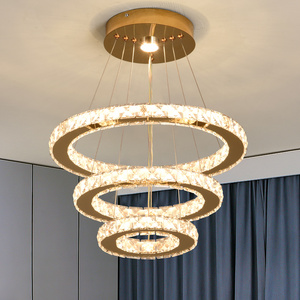
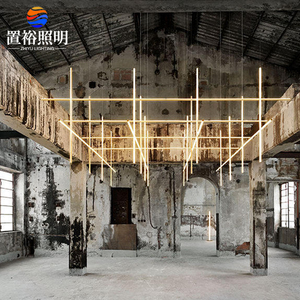
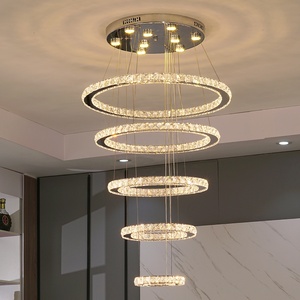
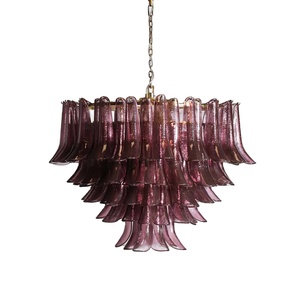
Life safety does not require sacrificing design aesthetics. We specialize in custom architectural emergency conversions—integrating micro emergency backup modules, hidden LED indicators, and slimline emergency inverter drivers into custom decorative chandeliers, sleek linear profiles, and architectural pendants.
Targeted Emergency & Architectural Lighting Deployment by Sector & Precinct
In densely populated commercial towers throughout Melbourne CBD, Collins Street, and Docklands, escape routes require continuous, high-visibility illumination. Our CE-certified emergency spitfires, ultra-thin edge-lit exit signs, and recessed architectural downlights provide sleek aesthetics without compromising photometric distribution.
The expanding logistics corridors of Truganina, Ravenhall, and Dandenong South feature high-bay ceiling voids ranging from 8m to 15m. Standard emergency fittings fail to deliver required lux levels at floor level. Our specialized high-bay emergency fixtures and optic lenses focus light beams precisely to ensure safe evacuation paths across vast warehouse floors.
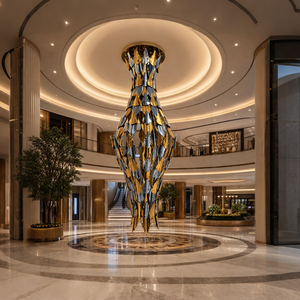
Southbank, Crown Entertainment Complex, and boutique hotels in Fitzroy require emergency compliance that blends invisibly into high-end decorative decor. Our OEM facility crafts custom decorative chandeliers, wall sconces, and pendant lights featuring integrated concealed emergency battery conversion kits that trigger instantly during power outages.
Projects along Port Melbourne, St Kilda, and Williamstown are constantly exposed to saline atmospheric conditions and high moisture. Our weatherproof IP66 emergency exit sign boxes, non-corrosive polycarbonate diffusers, and 316 stainless-steel hardware prevent salt-spray degradation and premature failure.
Innovations in Sustainability, Smart City Integration, & Energy Management
The Victorian building sector is currently undergoing a structural transformation toward zero-carbon operations, driven by strict NABERS energy ratings and the Victorian Green Building Council mandates. Emergency lighting—traditionally considered a passive safety measure—is now actively evaluated for its operational carbon footprint and long-term maintenance impact.
1. Decarbonization & Parasitic Power Reduction: Legacy emergency luminaires utilizing Nickel-Cadmium (NiCd) batteries constantly consumed 3W to 5W per fixture in trickling charge mode. Our next-generation CE-certified emergency luminaires utilize smart micro-processor controlled LiFePO4 charging circuits that reduce standby energy consumption to under 0.5W. Across a commercial skyscraper with 3,000 emergency points, this yields substantial annual kWh savings and aligns with net-zero operational goals.
2. Transition to Wireless IoT Emergency Mesh Networks: Electrical contractors in Melbourne are rapidly shifting away from dedicated 2-wire DALI bus cabling toward RF Wireless Mesh networks. Our emergency lighting systems offer embedded wireless nodes that form self-healing mesh networks. Facility managers can monitor real-time battery health, perform scheduled automated discharge testing, and generate compliance reports directly via tablet or cloud interface without laying extra control cables.
3. Architectural Hybrid Integration: Modern interior design trends in Melbourne prioritize clean ceilings free of visual clutter. Rather than installing separate, visually intrusive emergency spitfires alongside decorative architectural downlights, designers prefer hybrid luminaires. Our factory excels in manufacturing dual-function luminaires—serving as high-CRI main architectural lighting during normal operation and seamlessly switching to battery-backed emergency mode during power loss.
Addressing Regulatory, Technical, and Logistics Concerns for Trade Buyers in Victoria
CE certification confirms compliance with European safety standards (EN 60598-2-22, EN 61347, EN 55015). For deployment in Australia, emergency luminaires must also meet national requirements under AS/NZS 2293 and hold valid Regulatory Compliance Mark (RCM) certification. As an OEM manufacturer, we supply detailed laboratory test reports (including EMC, LVD, and photometrics) and collaborate with local Australian importers/certifiers to ensure effortless compliance and RCM ticketing prior to installation.
Our emergency luminaires feature Premium Grade LiFePO4 (Lithium Iron Phosphate) batteries rated for over 2,000 charge/discharge cycles, corresponding to a design life of 8 to 10 years under standard conditions. Batteries are engineered with quick-connect wiring harnesses and toolless slide-out brackets, enabling facilities teams in Melbourne to perform rapid maintenance without replacing the main luminaire housing.
Yes. Custom architectural emergency lighting is one of our primary manufacturing capabilities. Whether you require grand glass chandeliers for hotel lobbies, bespoke linear pendants, or custom brass sconces, our engineering team integrates miniature emergency inverter drivers, high-capacity battery packs, and discrete status indicator LEDs directly into the custom fixture assembly.
Standard production lead times for customized or bulk emergency lighting orders range from 15 to 25 business days depending on volume and custom specifications. Sea freight direct to the Port of Melbourne typically takes 14 to 18 days transit time. Air freight options are available for urgent project phases with 5 to 7 days door-to-door delivery.
Absolutely. We offer three testing tiers: Standard Manual Test (via physical push button), Standalone Self-Test (integrated microcontroller automatically executes 30-day functional and 12-month full-duration tests), and Fully Addressable DALI-2 Emergency Control Gear (compliant with IEC 62386-202) for integration into centralized building management systems (BMS).
We operate an in-house darkroom equipped with a goniophotometer to generate accurate IES and LDT photometric files for all emergency fixtures. Lighting designers and electrical consultants in Melbourne can request these files to run precise DIALux simulations, ensuring optimal emergency lux levels and compliance with required escape route spacing tables.
Inside Our State-of-the-Art Production Facility & Rigorous Quality Control Process
Our factory operates high-speed SMT lines for emergency driver board manufacturing, ensuring precise component placement, high thermal stability, and low failure rates across high-volume production runs.
Every emergency lighting kit undergoes a strict 48-hour burn-in period followed by a complete battery discharge and recharge cycle test to verify autonomy duration and circuit reliability before packaging.
We provide tailored packaging, private-label branding, localized installation instruction sheets, and optimized carton dimensions to streamline customs clearance and warehousing upon arrival in Victoria.
Request technical specification datasheets, photometrics, sample units, or direct factory pricing for your upcoming Melbourne commercial or architectural projects.