
Engineered with auto-test microcontrollers, dual-voltage drivers (180V–250V AC), and long-life LiFePO4 energy storage tailored to Central Asian electrical specifications.

Technical evaluation, thermal management compliance, and power grid resilience strategies for Central Asian commercial procurement officers.
Uzbekistan is undergoing a massive urban transformation. From the master-planned commercial precincts of Tashkent City to mega hospitality projects in historical Silk Road hubs like Samarkand and Bukhara, the construction boom requires modern, compliant building safety systems. Emergency lighting is no longer treated as an afterthought; it is a strictly enforced life-safety requirement under national building regulations (KMK standards) updated to reflect global safety trends.
Sourcing directly from China’s leading emergency lighting manufacturers provides Uzbek engineering firms, EPC contractors, and lighting distributors with a competitive edge: access to cutting-edge lithium iron phosphate battery technology, self-testing microcontrollers, and custom decorative emergency luminaires manufactured at scale.
Deploying emergency lighting in Uzbekistan demands rigorous technical adaptation. The regional electrical grid often experiences voltage swings ranging between 180V and 250V AC, along with extreme seasonal thermal spans—summer ambient temperatures in regions like Navoi or Bukhara regularly exceed +45°C, while winter drops below freezing. Standard commercial off-the-shelf emergency lights quickly fail under these conditions.
China's top-tier manufacturers address these localized pain points by engineering wide-voltage constant-current drivers with integrated surge protection (4kV–6kV) and replacing legacy Nickel-Cadmium (Ni-Cd) batteries with automotive-grade LiFePO4 (Lithium Iron Phosphate) cells. LiFePO4 chemistry maintains structural stability up to +60°C, offering over 2,500 charge-discharge cycles and eliminating thermal runaway risks.
Deploying tailored emergency backup lighting solutions across diverse architectural and commercial sectors.
Locations: Tashkent, Samarkand, Bukhara
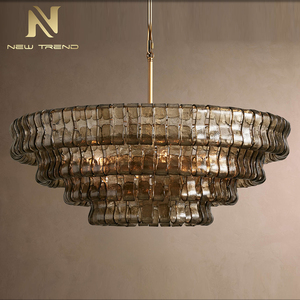
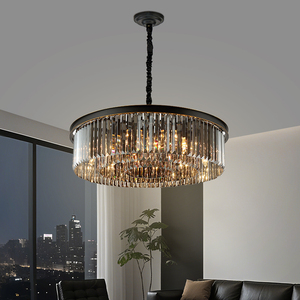
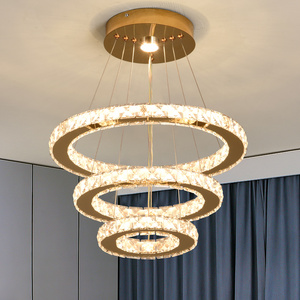
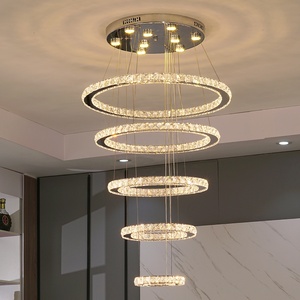
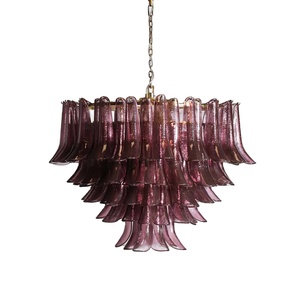
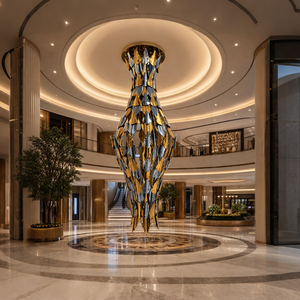
Luxury guestrooms and expansive hotel grand lobbies require continuous aesthetic elegance without visible, intrusive emergency box fixtures. China's top OEM manufacturers supply integrated emergency conversion kits inside high-ceiling Murano glass and brass chandeliers. During a primary power blackout, the main architectural chandelier automatically dims to an optimized 10%–20% emergency lumen output for 180 minutes, providing clear egress pathways without compromising interior design.
Locations: Tashkent City Financial District
High-rise office buildings require centralized emergency lighting systems connected via DALI-2 or wireless mesh networks. Manufacturers supply self-contained LED exit signage, recessed anti-panic downlights, and linear corridor emergency luminaires equipped with automated self-testing capabilities. Microprocessors automatically conduct monthly 30-second functional tests and annual 90-minute duration tests, logging compliance data to lower maintenance overhead.
Locations: Khorgos Transit Hubs, Angren Special Economic Zone
Logistics warehouses handling freight across the China-Kyrgyzstan-Uzbekistan transport corridor require robust emergency lighting. Specifiers deploy heavy-duty IP65 waterproof and IK10 impact-resistant linear emergency batten lights. These units incorporate optics designed for high-bay mounting (8m–12m height), ensuring high lux levels along main pallet racks and emergency exit doors during power outages.
Key technological advancements driving specification choices for Central Asian electrical consultants.
Historically, commercial facilities in Uzbekistan relied on heavy, inefficient fluorescent tubes powered by lead-acid central battery banks. The modern trend fully embraces integrated LED emergency engines. Top Chinese manufacturers design retrofittable emergency drivers that convert existing lighting layouts into compliant emergency networks, delivering up to 85% reduction in standby power consumption.
Due to intense heatwaves in Central Asia, classic Ni-Cd and Ni-MH batteries suffer high capacity degradation within 12 to 18 months. Leading Chinese factories supplying Uzbekistan have standardized on Lithium Iron Phosphate (LiFePO4) batteries equipped with Smart Battery Management Systems (BMS). BMS prevents cell overcharge, deep discharge, and short-circuits, extending battery service life to over 8 years in un-conditioned industrial spaces.
Large infrastructure installations—such as the Tashkent International Airport expansion—require real-time status visibility. Modern Chinese emergency lighting systems incorporate addressable protocols (DALI-2 / Central Monitoring Systems). Facilities managers can monitor battery health, LED failure, and charge status from a central desktop console, replacing manual ladder-and-button inspections with digital compliance logging.
Uzbekistan’s technical regulation bodies (UzStandard) enforce strict compliance for imported electrical safety equipment. Strategic China-based emergency lighting manufacturers maintain comprehensive test reports covering IEC 60598-2-22, EAC mark certification, and EMC immunity standards, ensuring hassle-free customs clearance at Khorgos and Altynkol border posts.
Comprehensive overview of technical benchmarks required for high-reliability deployment in Uzbekistan.
| Specification Parameter | Tier-1 China Export Grade (Recommended) | Generic / Low-Cost Alternatives | Uzbekistan Site Advantage |
|---|---|---|---|
| Battery Technology | LiFePO4 (Lithium Iron Phosphate) with BMS | Ni-Cd or Standard Lead-Acid | Resists ambient heat up to +60°C; zero memory effect; 8+ year lifespan. |
| Operating Input Voltage | Wide AC 180V – 250V (50/60Hz) | Narrow AC 220V – 240V ±5% | Prevents driver burnout during urban grid voltage sags and surges. |
| Emergency Switch Time | Instantaneous (< 0.2 seconds / < 20ms) | Lagging (> 1.5 seconds) | Ensures zero panic in windowless high-occupancy commercial areas. |
| Diagnostic Capability | Auto Self-Test Microprocessor (Monthly/Annual) | Manual Push-to-Test Button Only | Reduces building maintenance labor costs by up to 90%. |
| Luminous Efficacy | 130 – 160 lm/W (High Output LEDs) | 70 – 90 lm/W (Legacy LEDs) | Provides required lux levels during emergencies using smaller battery packs. |
| Certifications Available | IEC 60598-2-22, CE, ROHS, EAC, UzST | Basic CE Only (Unverified) | Guarantees seamless customs clearance & building inspection approvals. |
End-to-end manufacturing capabilities, strict quality assurance, and dedicated Central Asian logistics support.
Our state-of-the-art manufacturing facilities feature high-speed Surface Mount Technology (SMT) lines. We assemble emergency LED control boards, constant-current drivers, and battery management circuits in-house, ensuring rigorous quality control over every diode and capacitor.
Every emergency module undergoes a strict 48-hour burn-in process inside elevated temperature testing chambers (+50°C). We simulate severe power outages under max load to ensure battery capacity retention, switching accuracy, and optical output reliability before shipment.
Leveraging established Silk Road logistics corridors (Lianyungang/Xi'an to Tashkent via Khorgos), we provide optimized container loading, export customs documentation, and dangerous goods (DG) lithium battery transport compliance for fast, safe delivery.
Addressing regulatory, technical, and trade logistics inquiries regarding emergency lighting imports from China.
Planning a hotel, commercial tower, or industrial infrastructure project in Uzbekistan? Request customized engineering support, photometrics (IES files), factory-direct pricing, and compliance documentation today.